Giyani Announces Filing of Definitive Feasibility Study
Giyani’s DFS confirms K.Hill economics, prompting an urgent capital raise to meet tight cash demands.
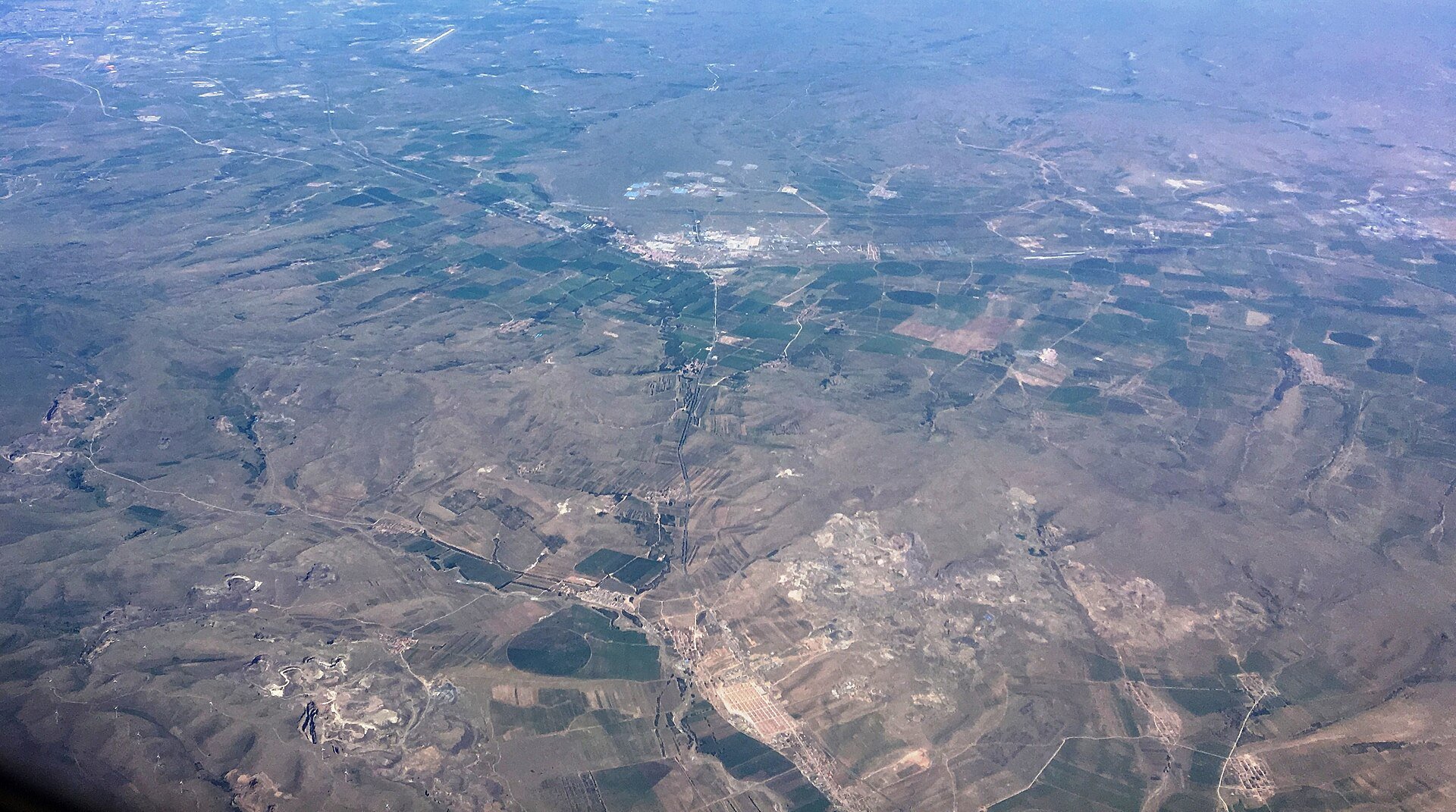
Giyani Metals Corp. announced the filing of its National Instrument 43-101 Technical Report, which supports the Definitive Feasibility Study (DFS) for its 100%-owned K.Hill Battery-Grade Manganese Project in Botswana. The filing confirms the previously announced base-case economics, including a post-tax Net Present Value (NPV) of US$482 million and a post-tax Internal Rate of Return (IRR) of 20.3% at an 8% real discount rate.
The project is scheduled to begin operations on April 1, 2027. Management highlighted potential opportunities to further optimize project economics. Additionally, the company launched a new corporate website to improve stakeholder information access.
Giyani Metals Corp. (EMMM) filed a standard regulatory and compliance follow-up on July 10, 2026, to finalize the technical report for its Definitive Feasibility Study (DFS). The DFS results were originally announced on May 28, 2026. This filing introduces no new financial metrics, reserve updates, or project changes, with the net present value (NPV) and internal rate of return (IRR) remaining unchanged from the May announcement.
The completion of the technical reporting phase marginally de-risks the project, positioning the company for next development stages including front-end engineering and design (FEED), permitting, and project financing. The market was already aware of the DFS outcomes, characterizing this as a routine, incremental update. Historical progression indicates the company successfully produced high-purity manganese sulfate monohydrate (HPMSM) at its demonstration plant in September 2025, followed by the DFS announcement in May 2026 and the technical report filing in July 2026, with projections materializing on schedule.
Giyani Metals Corp. is developing the K.Hill Battery-Grade Manganese Project in the Kanye Basin, Botswana. The project focuses on producing high-purity manganese sulphate monohydrate (HPMSM) and high-purity manganese oxide (HPMO) for next-generation battery chemistries.
A definitive feasibility study highlights 5.35 Mt of Proven + Probable reserves at an average grade of 12.0% Mn. The project features a 25-year Life of Project with a steady-state run-of-mine feed rate of approximately 220 ktpa. Capital expenditure is estimated at US$535 million, with an operating margin of 46% and net free cash flow over the Life of Project of US$1.6 billion. Construction is planned to commence in April 2027, with first ore feed targeted for March 2029.