Freeman Gold Delivers Feasibility Study for the Lemhi Gold Project Confirming 1 Million Superscript 1 Ounce Proven and Probable Reserve, US$696 Million Post Tax NPV(5%), 34.4% IRR and 15-Year Mine Life Using Base Case $3,650/oz Au
Freeman’s Lemhi feasibility study reports a $696m npv, though financing remains a key challenge as economics slip from prior projections.
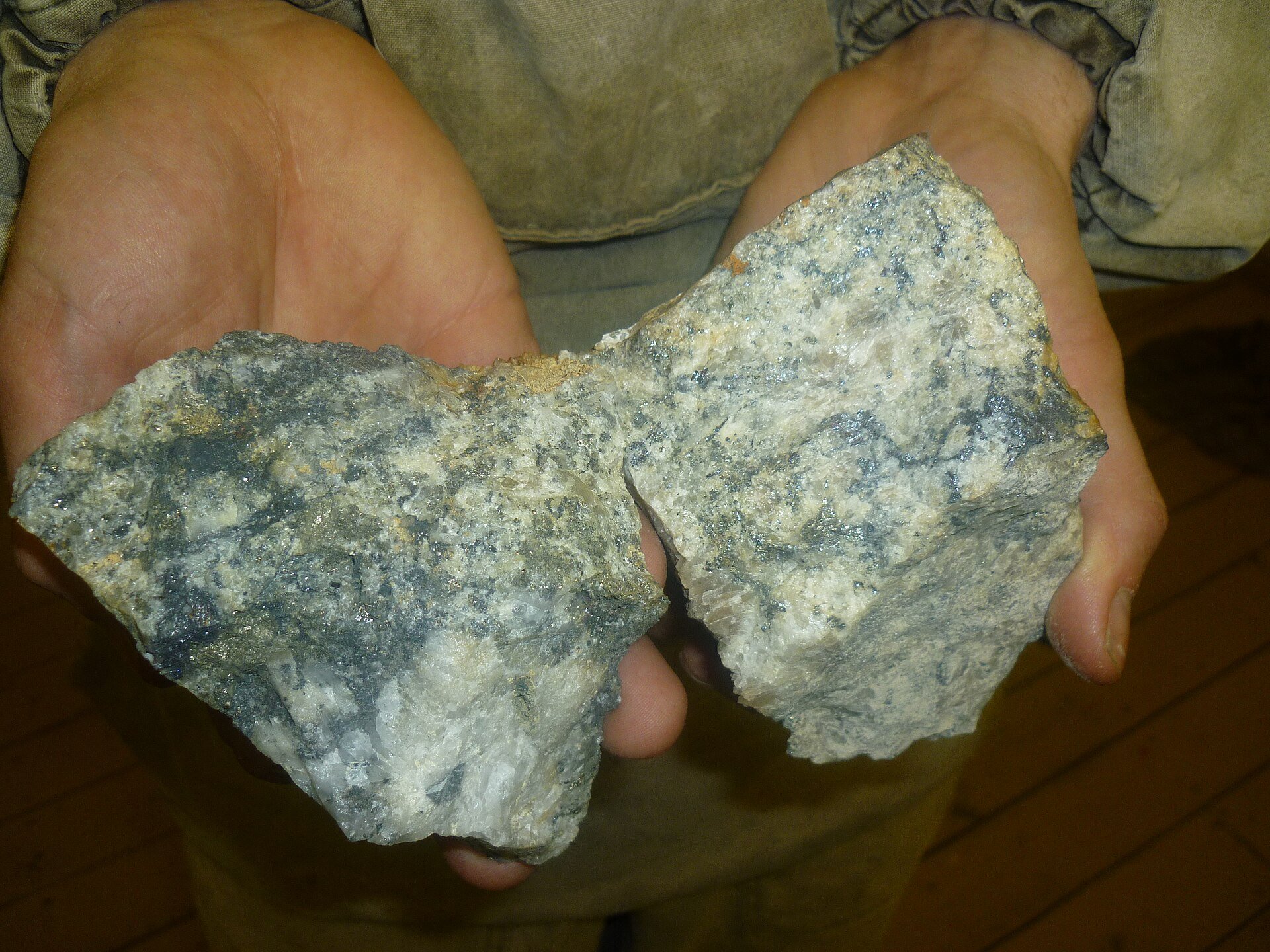
Freeman Gold Corp. released the definitive Feasibility Study for its 100%-owned Lemhi Gold Project in Idaho on June 29, 2026. The study outlines a 1.0 million ounce Proven & Probable Reserve and a 15.2-year mine life. Base-case economics, calculated at a gold price of US$3,650 per ounce, project a post-tax NPV₅% of US$696 million, an internal rate of return (IRR) of 34.4%, and a 2.5-year payback period.
Initial capital requirements stand at US$329.7 million, yielding an NPV/capex ratio of 2.11x, with all-in sustaining costs (AISC) of US$1,719 per ounce. At a spot gold price of US$4,090 per ounce, the NPV increases to US$904 million with an IRR of 41.4%. The mine plan incorporates an additional 120,000 ounces of gold compared to the 2023 Preliminary Economic Assessment, a phased processing plant expansion from 2.5 million tonnes per annum to 3.0 million tonnes per annum, and a filtered tailings facility intended to facilitate permitting. Permitting is currently underway under the FAST-41 federal framework.
Freeman Gold Corp. (FMAN) released a feasibility study that moves the project from a preliminary economic assessment to a bankable-level study with defined reserves and updated capital and operating costs. However, the economic metrics in the study fall markedly below the most recent public figures. In April 2025, the company touted an economic update at the PEA scale that showed a post-tax NPV₅% of approximately US$876 million and an internal rate of return (IRR) of 57.4% at a gold price of US$3,400/oz.
The feasibility study, even at a higher US$3,650/oz base case, delivers a lower NPV of US$696 million and a sharply lower IRR of 34.4%. This reflects a 53% jump in initial capital expenditure, rising from US$215 million to US$329.7 million, alongside higher sustaining costs and a higher all-in sustaining cost (AISC) of US$1,719/oz compared to the PEA’s US$1,105/oz.
While the project remains robust with a net present value to capital expenditure ratio greater than 2 and a payback period of less than three years, the headline economics represent a departure from the high-grade projections previously communicated by management. The market had already reacted to earlier optimism, with the stock falling from a January 2026 high of C$0.44 to C$0.28 prior to the feasibility study release. The study confirms that earlier sensitivity numbers were optimistic.
Despite the cost escalations, the project holds a 1 million ounce reserve and a US$696 million NPV against a market capitalization of approximately C$86 million. This creates a significant valuation disconnect, marking the news as material and positive regarding viability, although the capex escalation and cost inflation introduce financing risks.
Freeman Gold Corp. (FMAN) is a junior gold developer listed on the CSE, focused on its 100%-owned Lemhi Gold Project in Lemhi County, Idaho. The project hosts a near-surface, bulk-tonnage oxide gold deposit situated on a mix of patented claims, which cover more than 90% of the mineralization, and contiguous unpatented claims acquired in August 2025.
As of the February 2026 resource update, the company reported Measured & Indicated resources of 1.221 million ounces of gold at an average grade of 0.79 g/t, alongside 240,000 ounces in the Inferred category. A 2026 Feasibility Study converted a large portion of these resources into a 1.0 million ounce reserve. The deposit remains open in multiple directions and features simple metallurgy, achieving greater than 95% recovery in conventional carbon-in-leach circuits. The project’s location in the mining-friendly jurisdiction of Idaho and the use of patented claims with surface rights are cited as strategic advantages.