Bayhorse Silver Reports 99 Plus Percent Selective Antimony Leaching Results From The Silver, Copper, Antimony and Zinc Concentrate From Its Bayhorse Silver Mine
Bayhorse Touts Metallurgy Win, But Financial Hole and Lack of Feasibility Study Loom Large
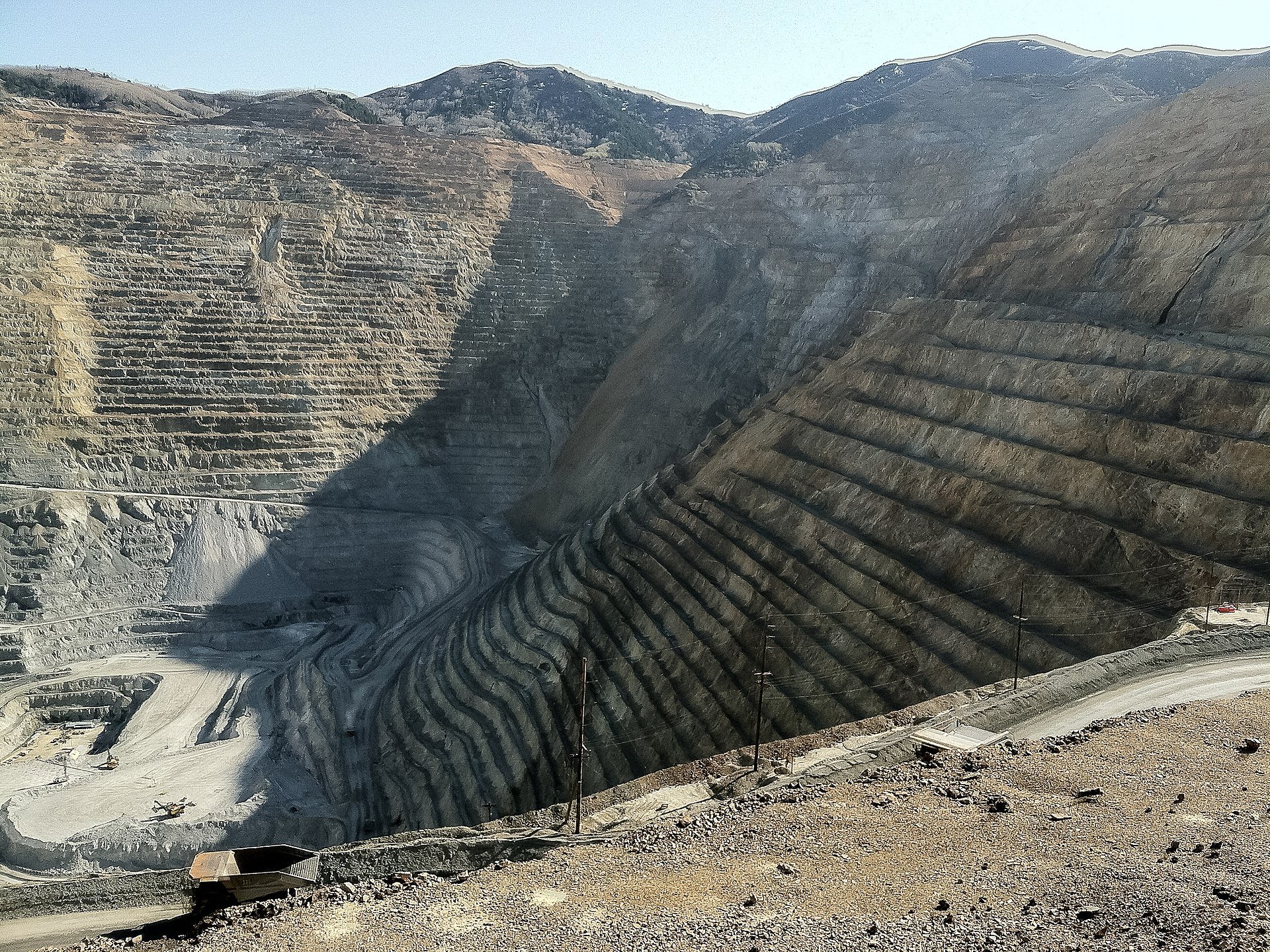
On December 8, 2025, Bayhorse Silver announced positive metallurgical test results on a tetrahedrite concentrate from its Bayhorse Silver Mine. Using a proprietary process from Allihies Engineering, the company achieved approximately 99.9% selective leaching and removal of antimony. The company states this result is significant because it breaks down the "refractory" nature of the mineralization, which could lead to improved recoveries for silver, copper, and zinc. This would also allow antimony to be shipped and sold as a separate, payable product. Bayhorse is now considering the installation of a pilot-scale leaching facility at its mill in Payette, Idaho.
This news is materially positive as it represents a significant technical de-risking milestone for the project's complex metallurgy, a key concern for its tetrahedrite-dominant ore. The company has been working towards this outcome for months, as signaled in its October 16 and November 24 releases. Successfully separating the antimony unlocks the potential for higher recoveries of other metals and adds a new potential revenue stream from antimony, a designated critical mineral.
However, from a critical analyst's perspective, this technical success must be weighed against severe outstanding risks: - Scale and Economics: These are bench-scale lab results. Scaling a proprietary hydrometallurgical process to a pilot, let alone commercial, scale carries substantial technical and capital risks. The company has provided no information on the potential capital or operating costs of this leaching circuit, making its economic viability entirely unknown. - No Feasibility Study: The company continues to explicitly state in its disclaimers that it is not basing any production decision on a feasibility study. Advancing a project toward production without a Preliminary Economic Assessment (PEA) or Pre-Feasibility Study (PFS) is a major red flag. It means there is no independently verified economic model for the mine, and investors are completely blind to the project's potential profitability. - Financial Weakness: The company's Q3 2025 financial statements show a working capital deficit of over $500,000 and only ~$569,000 in cash. Bayhorse does not have the funds for a pilot plant, let alone a mine restart. A highly dilutive financing is an immediate necessity.
While the metallurgical news is a positive step forward on the company's stated plan, it does not change the fundamental high-risk nature of the investment. The recent share price appreciation from $0.04 to $0.13 appears to have priced in this success without adequately discounting the formidable financial and execution hurdles that remain.
Bayhorse Silver Inc. is a junior mineral exploration and development company. Its flagship asset is the 100%-owned Bayhorse Silver Mine in Oregon, USA, a past-producing mine with high-grade, silver-copper-antimony-zinc mineralization. The ore is primarily tetrahedrite, which is metallurgically complex ("refractory"). The company has an NI 43-101 inferred resource (2018) of 292,300 tons at 673 g/t for 6.3 million ounces of silver. The company has a mill and flotation facility in Payette, Idaho, and an ore-sorter intended to pre-concentrate mined material. The company also holds the adjacent Pegasus exploration project in Idaho. Bayhorse's stated goal is to bring the mine back into production, though it is doing so without a feasibility study.