Drill Results
King Global to drill test gravity anomalies at Howard
KING · Price
Executive Summary
- King Global Ventures Ltd. announces plans to drill-test three significant gravity anomalies identified south of the historic Howard copper workings in central Arizona.
- Phase I drilling (2025) confirmed improving copper-gold-zinc-silver mineralization to the south, with the strongest intercepts occurring beyond the historic mine limits, indicating the system remains open at depth and along strike.
- A post-drilling gravity inversion survey by ALS Geoanalytics identified three discrete, untested gravity anomalies aligned with the regional volcanic stratigraphy, prompting an immediate Phase II drill program.
Key Details
- Phase I Drilling Results:
- Program consisted of 20 holes totaling 8,000 feet.
- Confirmed two distinct volcanogenic massive sulphide (VMS) horizons within the Spud Mountain formation.
- Strongest copper-gold-zinc-silver intercepts were found in the southernmost drill holes (HC-25-015 and HC-25-020).
- Results confirmed mineralization improves to the south and remains open at depth and along strike.
- Full Phase I results were previously released on Aug. 13, 2025.
- Gravity Survey Findings:
- ALS Geoanalytics completed a gravity inversion analysis revealing three discrete, stratigraphically conformable gravity anomalies.
- Anomalies trend north-northwest-south-southeast, aligned with regional volcanic stratigraphy.
- Key interpretations include:
- Three untested anomalies lie south of historic workings and beyond Phase I drill fences.
- Alignment with favorable volcanic-sedimentary horizons suggests potential stacked VMS lenses.
- Coincidence with magnetic features in the southern anomaly reinforces the interpretation of preserved sulphide bodies.
- Anomalies represent a modelled subsurface density anomaly; size, geometry, and alignment highlight a prospective corridor for follow-up drilling.
- Phase II Drill Program Plans:
- Objective: Directly test the three southern gravity anomalies following the trend of improving mineralization from Phase I.
- Scope: Approximately 9 holes totaling 7,000 to 9,000 feet.
- Strategy: Confirm presence of sulphide-rich horizons and expand the mineralized footprint southward.
- Additional Exploration Activities:
- Ground EM (electromagnetic) survey to detect conductive sulphide bodies.
- Soil geochemical sampling to define surface geochemical halos.
- Follow-up gravity survey to extend and track the southernmost anomaly onto newly acquired claims south of the current project area.
- Project Context:
- Howard copper project is 100%-optioned, located in central Arizona, 100 km north of Phoenix.
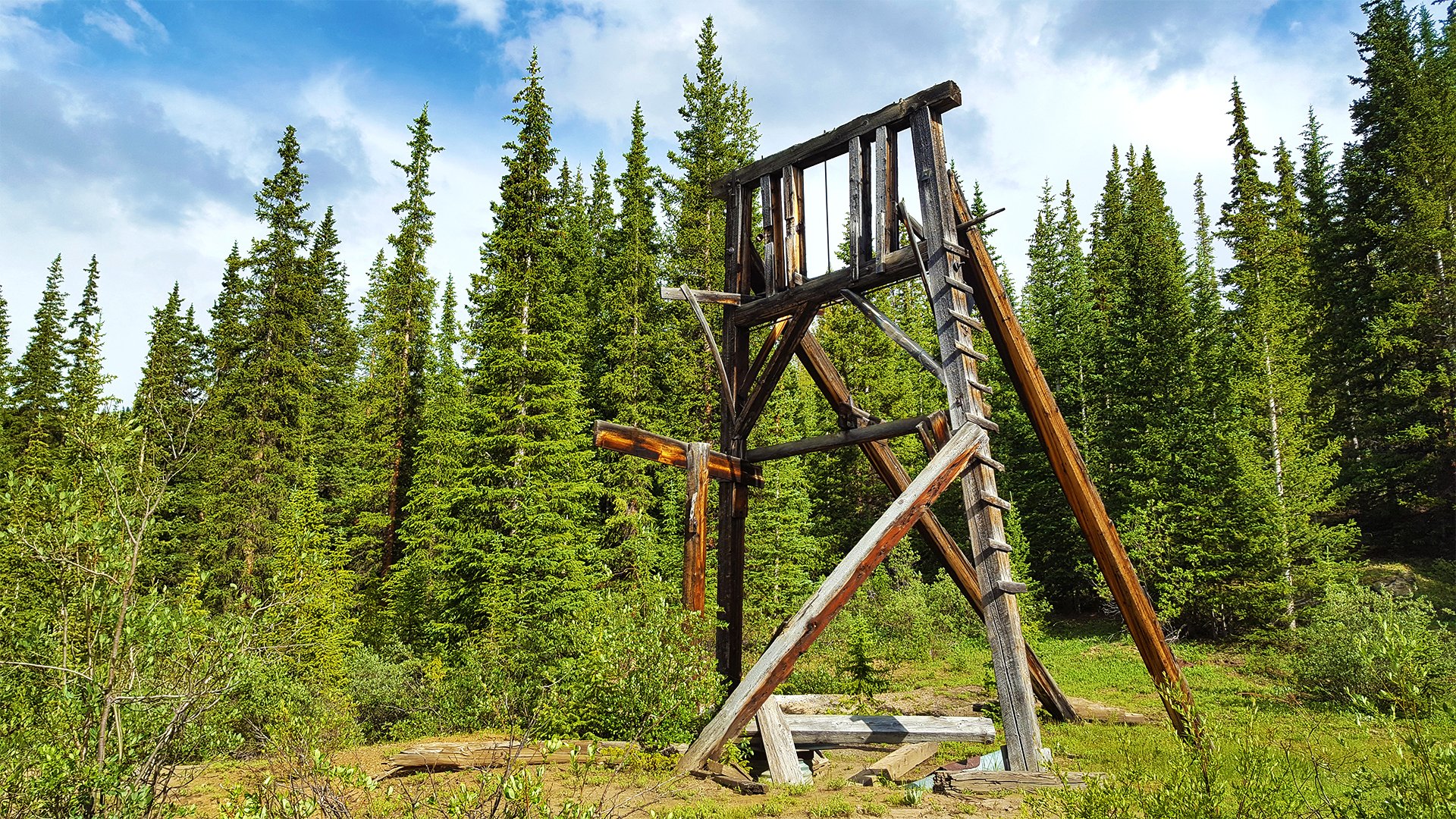
- Historic Howard mine discovered in early 1920s; small-scale production focused on high-grade copper.
- Main shaft sunk to 900-foot level; no ore mined below 500-foot level historically.
Notable Quotes
- "The phase I program proved that mineralization strengthens south of the historic Howard mine. The identification of three large, untested gravity anomalies [farther] along this vector gives us a clear next step. Phase II will directly target these anomalies, with the potential to expand the known mineralized system." — Rob Dzisiak, Chief Executive Officer
More from King Global Ventures Inc
Jun 18, 2026 · 08:31