Pirate Gold Announces Visual Results of Step-Out Drilling at Its Moby Dick Copper-Gold Discovery at Treasure Island
Pirate’s early-stage exploration extends the Moby Dick trend but lacks quantified grades to move the needle.
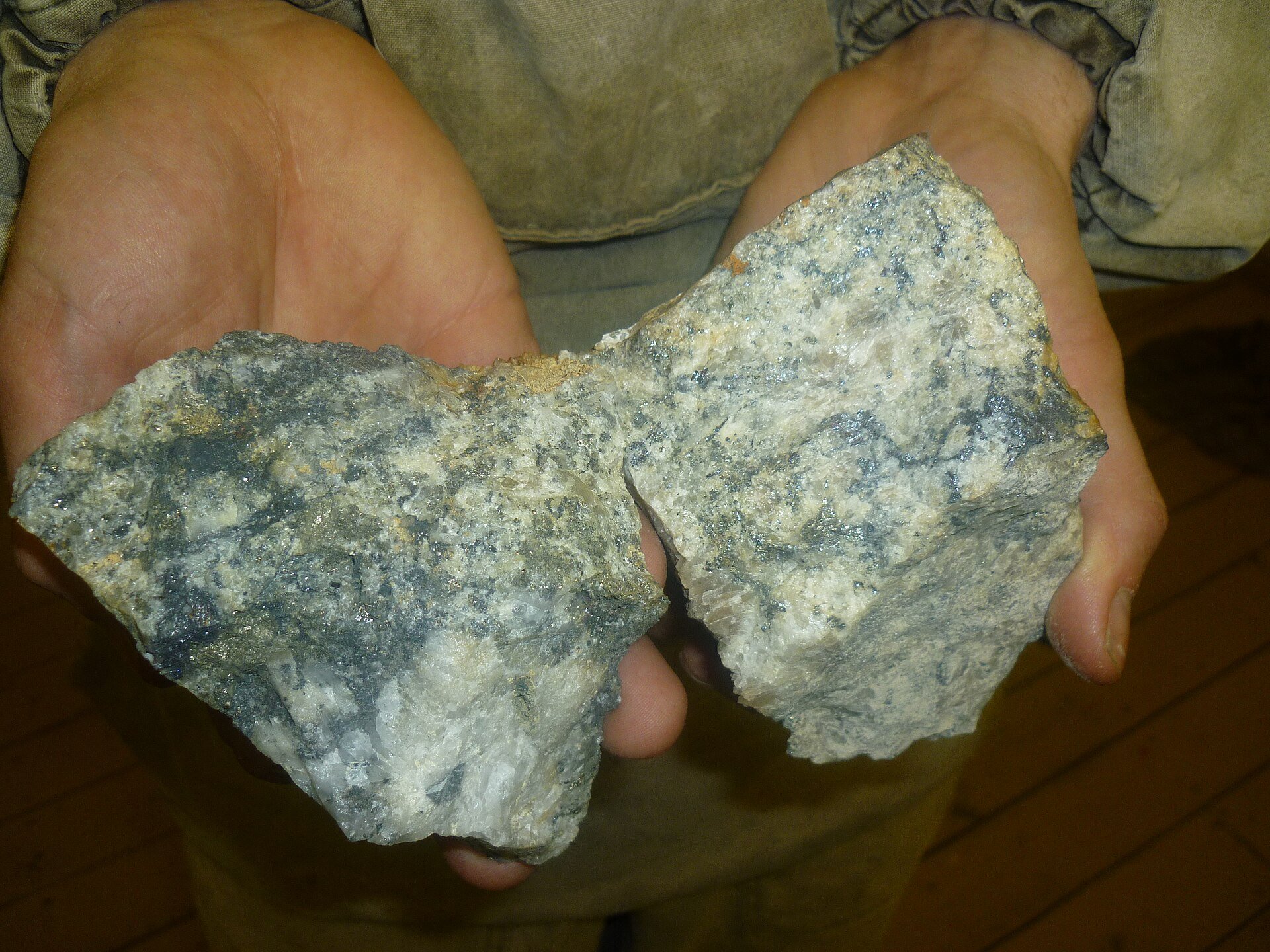
Pirate Gold Corp. (YARR) announced visual observations and geological data from step-out drilling at the Moby Dick copper-gold discovery within the Crippleback area of its Treasure Island Project. Two step-out holes, PGC-26-118 and PGC-26-120, encountered extensive clay alteration and visible chalcopyrite mineralization, extending the known mineralized trend to approximately 1.8 km east-west.
Initial assay results from earlier holes reported 0.38% Cu eq over 112.4m and 0.54% Cu eq over 180.8m. Full assay results for the new step-out holes are pending laboratory analysis. Two drill rigs are currently active as part of a 50,000m program designed to test the scale and continuity of the porphyry/epithermal system.
Visual observations of chalcopyrite and clay alteration support the geological model, though they do not yet provide quantified grades or evidence of economic viability. The extension of the trend to 1.8 km east-west is geologically encouraging but remains unassayed and subject to grading risk. The market has already priced in the initial discovery and the ongoing 50,000m program. This update confirms continuity but lacks the surprise element required for a material positive rating. The reliance on pending assays introduces execution and grading risk, keeping the fundamental impact incremental at this stage.
Pirate Gold Corp. is an exploration-stage company focused on the Treasure Island Project in Central Newfoundland. The project controls 78,600 hectares and 92 km of strike length along the Valentine Lake Fault Zone. Flagship zones include the high-grade Moosehead gold zone and the newly discovered Moby Dick copper-gold porphyry/epithermal system at Crippleback. The company is advancing a 50,000m drilling program to expand known zones and test new regional targets. No mineral resources or reserves have been defined to date, and the company relies on exploration success to generate value.