Tartisan Nickel Corp. Closes Initial $500,000 Flow-Through Financing at $0.38 per Share
“$500k flow‑through raise at $0.38 per share funds Kenbridge drill pause, but adds modest dilution”
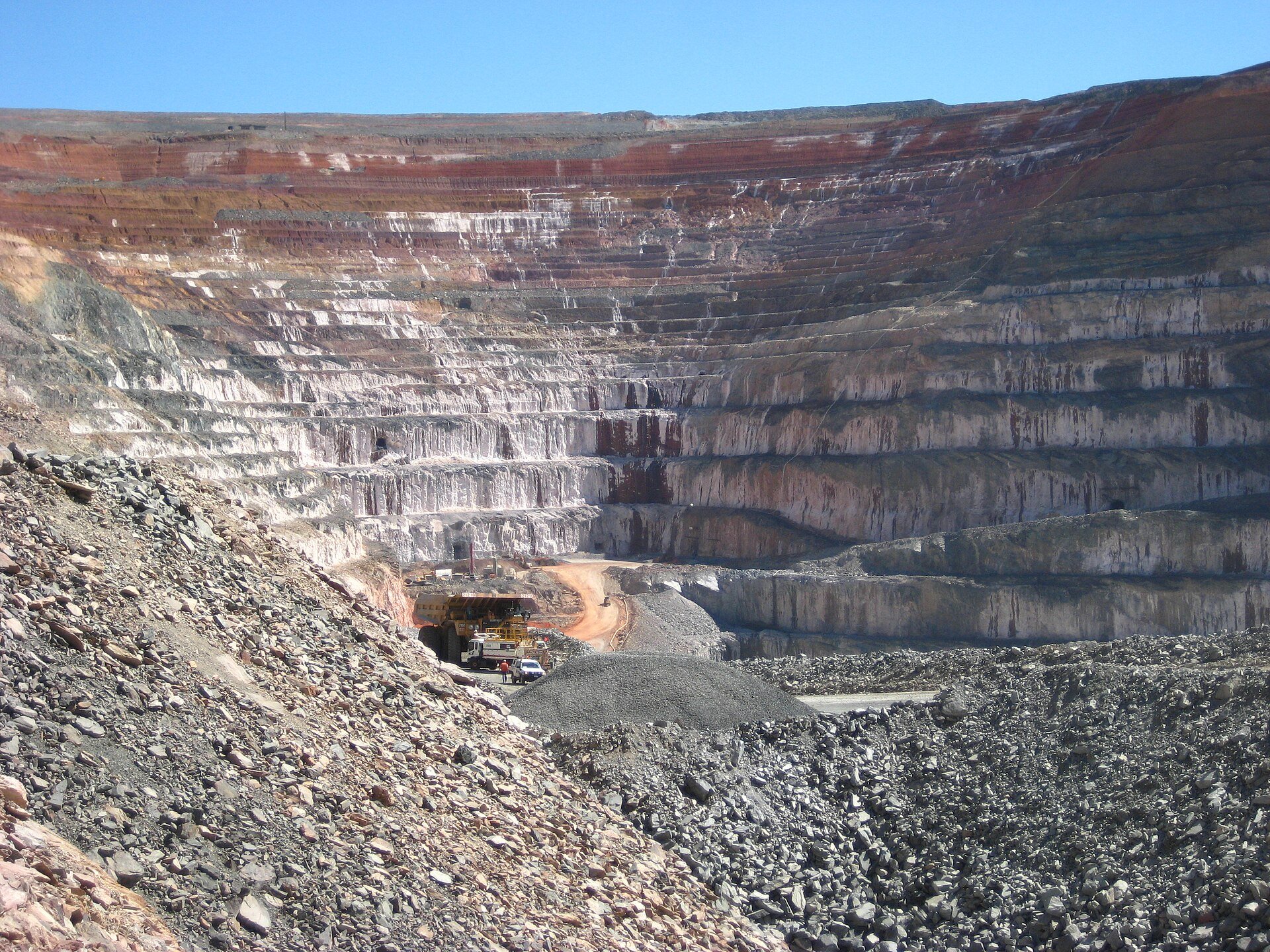
Tartisan Nickel Corp. announced the closing of an initial tranche of a flow‑through financing that raised gross proceeds of $500,000 by issuing common shares at $0.38 per share. The transaction carried a 6 % cash commission and a 6 % broker‑warrant commission (78,947 warrants) that expire one year from closing. Proceeds are earmarked for eligible Canadian Exploration Expenses (CEE) to be renounced to subscribers and used on continued exploration and development at the Kenbridge Nickel‑Copper‑Cobalt Project in Northwestern Ontario while drilling is paused for spring melt.
- Financing size vs. prior raises: The $500 k tranche is half the amount of the most recent $1 M flow‑through financing closed on 2026‑03‑16 and far smaller than earlier private placements (up to $1.32 M). Consequently, the capital injection is modest relative to the company’s cash needs.
- Share dilution: At $0.38 per share, the issuance adds roughly 1.3 million shares (based on outstanding ~156 M shares), a dilution of <1 %. This is minimal and unlikely to materially affect shareholder value.
- Strategic relevance: Funds are directed to CEE for Kenbridge, supporting ongoing geophysical work during the seasonal drilling pause. The financing does not introduce new projects or change the development path; it simply sustains the existing schedule.
- Market expectations: Investors have been anticipating incremental flow‑through financings to fund Kenbridge’s Phase 1 program. The announcement aligns with those expectations and therefore is a routine, albeit positive, capital event.
Conclusion: The news is Routine – Positive. It provides needed cash without altering the company’s trajectory or valuation assumptions.
Tartisan Nickel Corp. is a Canadian junior explorer focused on the Kenbridge Nickel‑Copper‑Cobalt Project near Sioux Narrows, Ontario. Kenbridge hosts a historic underground shaft (to 622 m depth) with multiple high‑grade intercepts (e.g., >1 % Ni zones). The company’s strategy is to convert inferred resources to measured/indicated categories and advance the project toward a prefeasibility study.