Grande Portage Resources Receives Approval for 2026 Plan of Operations (Drill Permit) from the US Forest Service
Sprott-Backed Junior Transitions to Development Planning as Federal Permitting Hurdles Clear
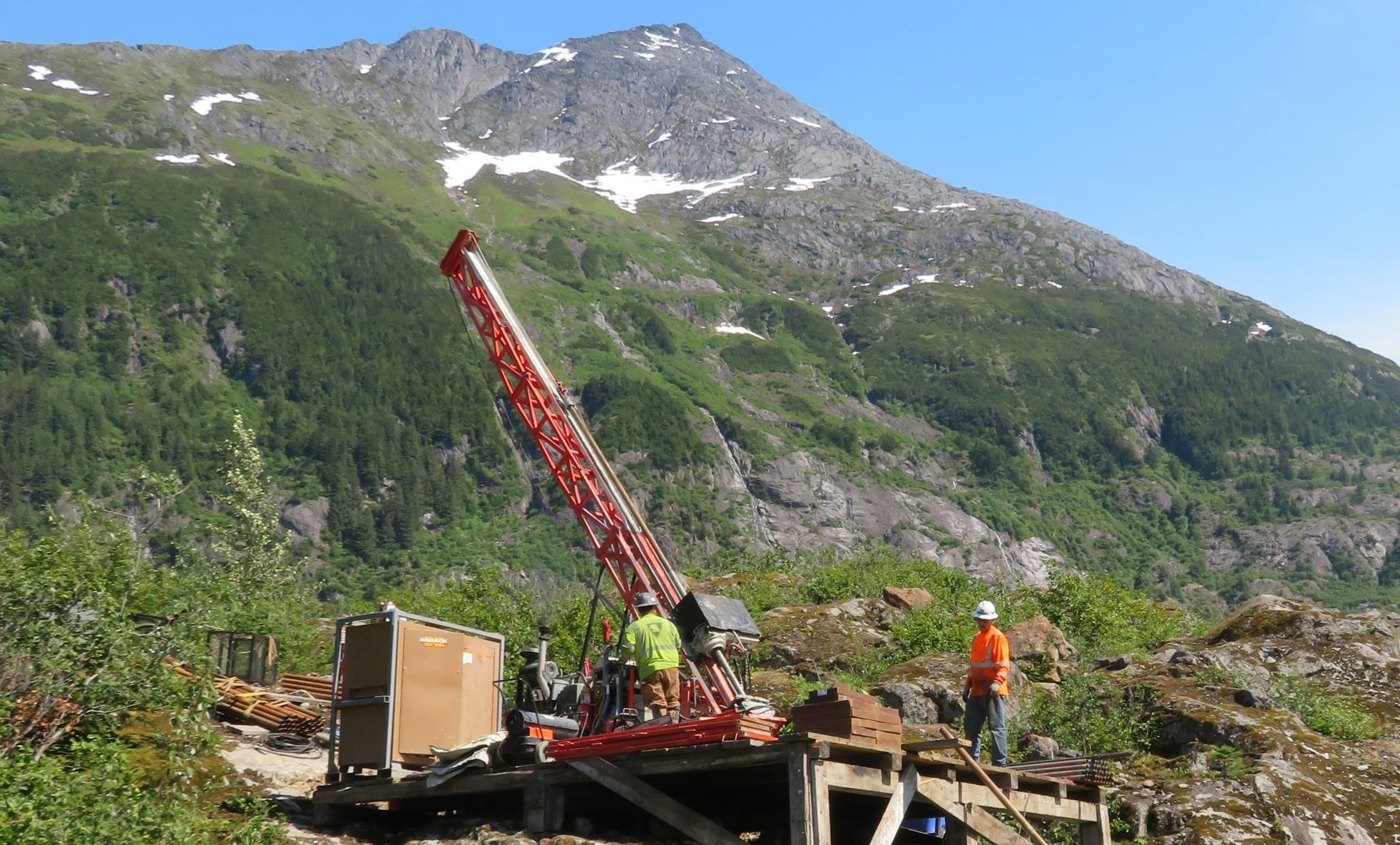
The most recent news release (January 20, 2026) announces that Grande Portage has received approval for its 2026 Plan of Operations (drill permit) from the U.S. Forest Service for the New Amalga Gold project in Alaska. The approved program includes up to 4,300 meters of diamond drilling across 14 holes, focusing on upgrading resource classification and gathering essential geotechnical and hydrogeological data. This news follows a January 7, 2026, announcement regarding a Special Use Permit for environmental monitoring infrastructure and an updated Mineral Resource Estimate. Management states the project is now moving beyond pure exploration and into the "development planning phase."
The receipt of the U.S. Forest Service permit is materially positive as it provides the regulatory "green light" for the 2026 field season, which is critical for the upcoming Preliminary Economic Assessment (PEA). - Regulatory De-risking: Obtaining federal permits in Alaska can be a bottleneck; clearing this hurdle reinforces the project timeline. - Resource Conversion: The planned 4,300m of drilling is specifically designed to upgrade Inferred resources to the Indicated category, which is necessary for more advanced economic studies. - Strategic Shift: The move toward "development planning" suggests management is confident in the project's ability to become a mine, rather than just an exploration target. - Financial Strength: Following the December 2025 C$5 million investment by Eric Sprott, the company is well-funded (estimated C$10 million working capital) to execute this plan without immediate further dilution.
Grande Portage Resources is a junior gold explorer focused on the New Amalga Gold Project (formerly the Herbert Gold Project) located 25 km north of Juneau, Alaska. The project is situated within the Juneau Gold Belt. The development strategy is unconventional for a junior: they intend to develop a "small-footprint" underground mine and ship ore off-site for processing by a third party. This strategy aims to eliminate the need for an on-site mill or tailings facility, potentially simplifying the permitting process and reducing initial capital expenditure.