Graphite One Engages Ames National Laboratory to Assess Rare Earth Recoveries from Alaska's Graphite Creek Deposit
Graphite One begins a DOE lab study for rare earth element byproducts after clearing an Ohio permit.
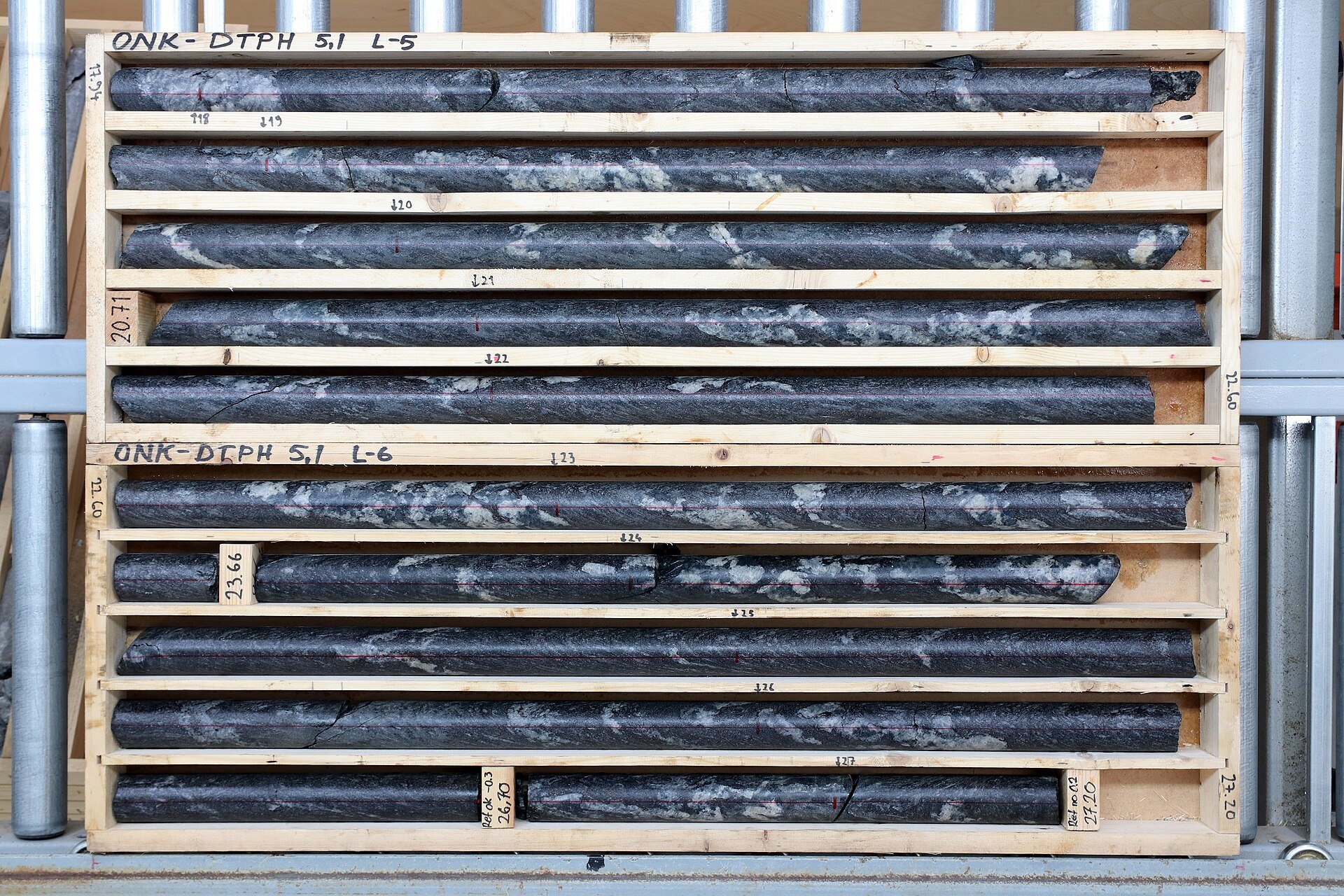
Graphite One Inc. (GPH) has engaged Ames National Laboratory, a U.S. Department of Energy research institution, to conduct a three-month research program. The study is funded by Graphite One under a Strategic Partnership Project Agreement and aims to develop a scalable process flowsheet for separating heavy and light rare earths from the garnet byproduct at the Graphite Creek deposit in Alaska.
The technical scope includes mineralogical characterization, mechano-chemical activation, acid-leaching tests, and optimization of separation approaches. This initiative follows preliminary 2025 analysis by Activation Laboratories, which found that separated garnet fractions contain two to six times higher REE concentrations than surrounding rock, with significant dysprosium, yttrium, and scandium levels. The project remains subject to project financing.
Graphite One Inc. (GPH) has engaged Ames National Laboratory to conduct an independent technical evaluation, marking a progression from preliminary geochemical assays to a more rigorous assessment of the project. The three-month study aims to validate the economic feasibility of recovering rare earth elements (REEs) as a byproduct. However, the engagement does not provide commercial-scale results, specific recovery rates, or a monetization timeline.
The development reinforces the company’s strategic narrative of operating a dual-product deposit but does not change the capital requirements for the Ohio anode plant or the Graphite Creek mine. Execution milestones remain on track, with the Ohio plant targeting a final investment decision by April 2027 and first sales scheduled for the fourth quarter of 2028.
Graphite One Inc. continues to operate with a cash balance of $18.6 million. The company has stated a need for additional financing within twelve months, a requirement that remains unchanged by the new laboratory engagement. Consequently, the near-term capital raise need and associated going-concern risks persist.
Graphite One Inc. (GPH) is developing a vertically integrated, U.S.-based graphite supply chain aimed at reducing dependence on foreign sources. The company’s flagship Graphite Creek deposit in Alaska is recognized by the U.S. Geological Survey as the largest known natural graphite deposit in the United States.
The strategy involves mining graphite in Alaska, transporting concentrate via the Port of Nome, and processing it into advanced anode active material (AAM) in Ohio. The Ohio Phase 1 facility is a 10,000 tonnes per year blending and coating plant designed to process purchased synthetic graphite into AAM for lithium-ion batteries. The company recently secured the final air permit from the Ohio Environmental Protection Agency, clearing the primary environmental hurdle for the Phase 1 plant.
A secondary strategy explores the recovery of heavy rare earth elements from garnet byproduct at Graphite Creek.