Rise Gold Provides Litigation Update
Vested rights claim rejected; court rules Idaho-Maryland Mine abandoned, forcing Rise Gold to appeal or face a takings battle—near-term restart hopes dashed.
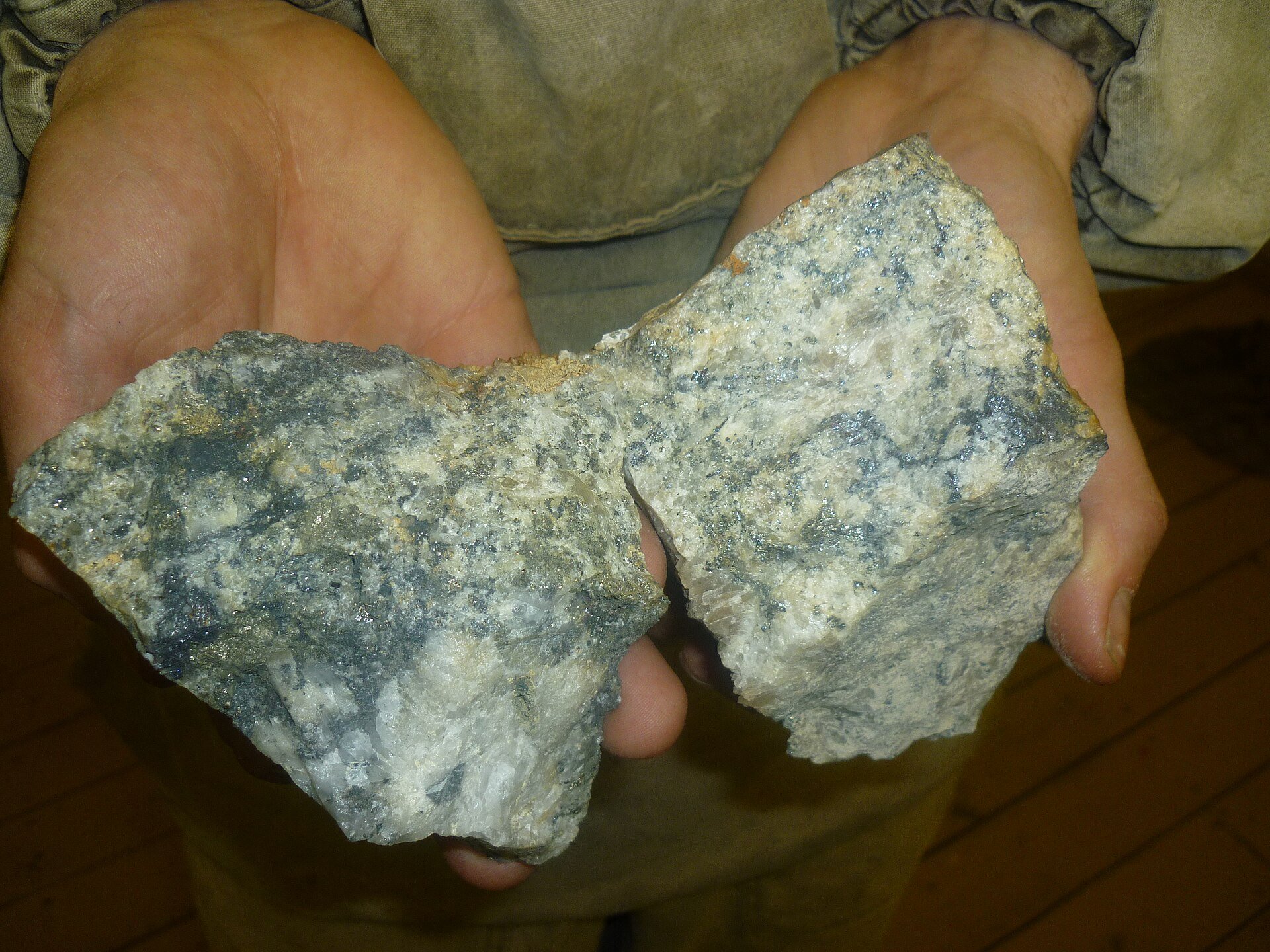
The most recent news (May 8, 2026) reports that the Superior Court of California denied Rise Gold’s Writ of Mandamus, which sought to compel Nevada County to recognize a vested constitutional right to operate the Idaho-Maryland Gold Mine without a use permit. The court ruled that any such mining rights were abandoned by no later than 1963, citing insufficient evidence of intent to preserve the right. Rise Gold intends to appeal the ruling and, if appeals fail, will pursue a Fifth Amendment “takings” action against Nevada County for just compensation (the company estimates its mineral estate is worth at least $400 million).
Earlier historical news shows the progression: - October 2025: Rise Gold closes a US$7M financing at $0.25/unit (share + $0.45 warrant), with strategic investors Abdiel Capital Advisors, Equinox Partners, and Myrmikan Gold Fund. - November 2025: The company initiates a review of historic tungsten exploration targets at the mine, highlighting its critical-mineral potential. - January 2026: The court postpones oral arguments on the writ from Jan 9 to Mar 6, 2026; CEO expresses frustration but notes the extensive administrative record. - March 2026: Rise Gold announces a strategic development partnership with Morgan Hughes Energy, which receives 18M warrants at $0.40 contingent on milestones; oral arguments on the writ are held on March 6, 2026. - May 2026: The court delivers its ruling, rejecting the vested-rights claim—the company’s core legal strategy to allow direct restart of mining.
The court’s denial is unequivocally material and negative. Rise Gold’s entire strategy to bring the Idaho-Maryland Mine back into production without a standard use permit hinged on proving a vested mining right. Over the prior year, management had positioned the writ as a near-certain path to unlocking a historic, high-grade gold (and now tungsten) asset. The stock price rallied from $0.09 to a peak of $0.62 in anticipation of a favorable ruling, reflecting market confidence in the constitutional argument and the eventual restart.
By ruling that the right was abandoned, the court has effectively forced the company back to square one. Any alternative route—appealing the decision or pursuing a Fifth Amendment takings claim for $400M—is a long-term, uncertain process with no guarantee of a timely restart. The March 2026 partnership with Morgan Hughes, which depended on progress toward development, is now at risk. The $7M financing was intended to fund litigation; with the core writ now lost, the company may need to pivot its legal strategy entirely. This outcome fundamentally alters the risk-reward calculus and likely forces a repricing of the stock.
The tungsten review and critical-mineral narrative, while providing some additional strategic justification, cannot compensate for the loss of the vested-rights premise. The market had priced in a favorable outcome; the denial thus represents a material negative catalyst that could send the stock back toward the lower levels seen before the rally.
Rise Gold Corp. is a junior mining company focused on the Idaho-Maryland Mine (I‑M Mine, also referred to as Idaho‑Maryland‑Brunswick) in Nevada County, California. The historic underground mine operated from 1862 to 1957, producing approximately 2.4 million ounces of gold at an average grade of 0.50 oz/ton (17.1 g/t). In the 1950s, the mine also produced tungsten (scheelite) for the U.S. defense program. Rise Gold acquired the property and has been trying to restart production by asserting a vested mining right that would allow operations without a new use permit, circumventing local permitting obstacles.
The mine is classified as a high‑grade orogenic gold system with critical‑mineral (tungsten) upside. The project is 100%‑owned and royalty‑free based on all available disclosures. The local economic impact, if restarted, was estimated at 475 jobs and significant tax revenue.