Jaguar Mining Commences New Underground Drilling Program Targeting Untested High-Grade Zones at Turmalina Mine, Brazil
Turmalina’s exploration update supports guidance while masking AISC creep and grade volatility at its core assets.
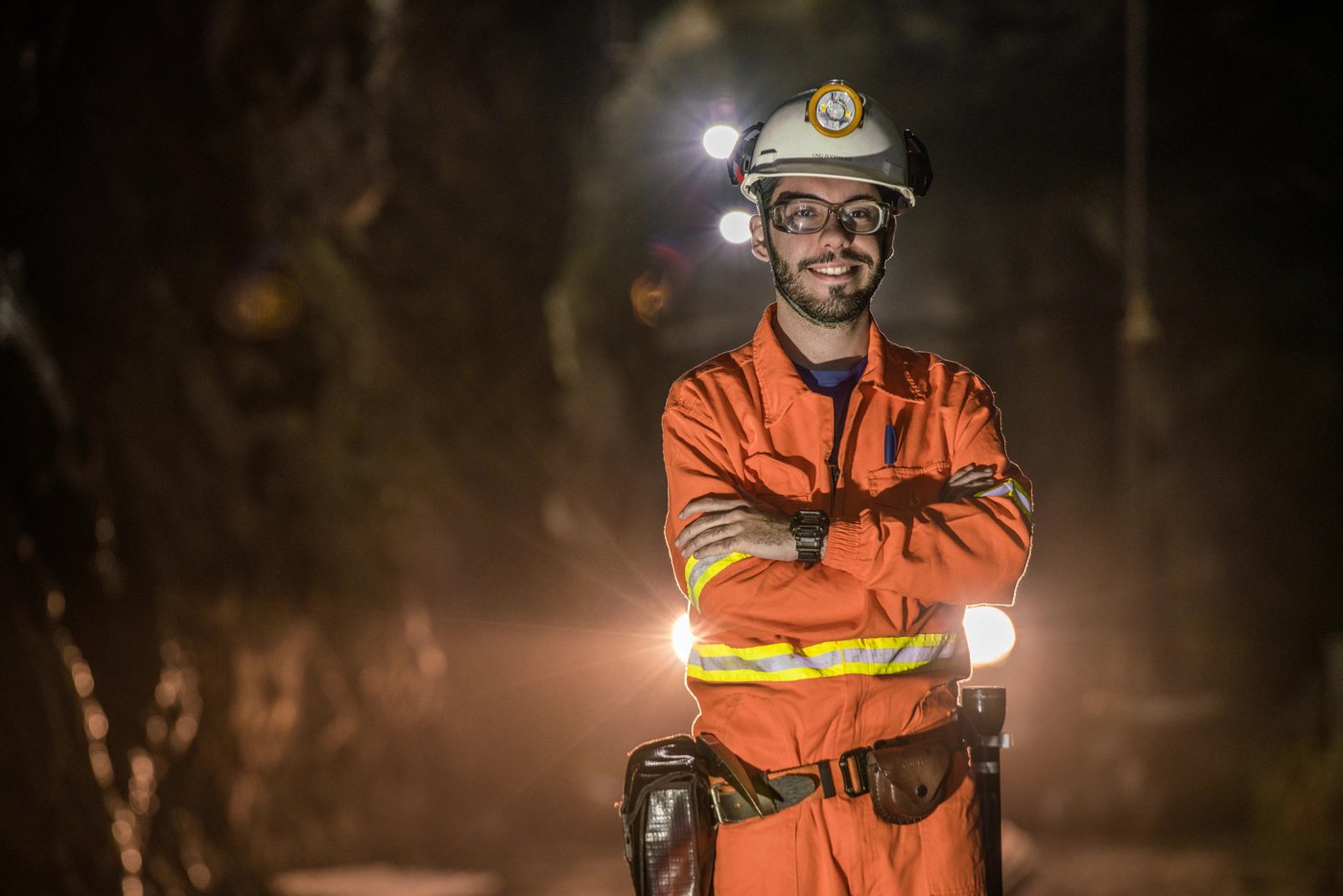
Jaguar Mining Inc. (JAG) has initiated a new underground diamond drilling program at its Turmalina Mine in Brazil. The campaign targets two growth opportunities: the depth extension of the Faina orebody and the previously untested upper-level A/SE2 lens of Orebody A. The program consists of 20 planned drillholes totaling approximately 2,380 meters on a 50m x 50m grid. Access to the target zones will be via a new 80-meter exploration drift, which is expected to be completed by early October 2026.
Seven drillholes totaling 2,024 meters testing the Faina extension down to the 640m level are now complete. Core logging and sampling are currently underway, with assay results pending. The A/SE2 lens remains largely untested at upper levels but has shown historical high-grade mineralization and strong metallurgical recoveries of approximately 88.20% gold recovery. This update is purely exploratory, with no immediate production or financial impact disclosed.
Jaguar Mining Inc. (JAG) released an update marking the start of an exploration and drilling campaign, rather than reporting earnings or operational results. The activity aligns with the company’s disclosed five-year, 227,000-meter exploration plan and does not introduce new financial metrics, production changes, or capital allocation shifts. Given the stock's recent consolidation and the exploratory nature of the campaign, the market impact is expected to be muted. The news reinforces the company's long-term reserve replacement strategy without altering near-term cash flow or valuation.
Jaguar Mining Inc. (JAG) is a producing gold company operating in Brazil's Iron Quadrangle, one of the world's premier gold provinces. Its flagship assets include the Turmalina (MTL Complex) and Pilar (Caeté Complex) mines, with the Paciencia Complex (Santa Isabel) and Onças de Pitangui currently in development or rehabilitation. The company holds a 46,000-hectare land package, the second-largest gold tenement in the region. Its strategy focuses on organic growth, restarting suspended assets, and converting exploration targets into formal resources.