Kirkstone Metals Files IP and Drilling Permit for Key Lake Road Project
Kirkstone Metals Files Permits for 2026 Key Lake Road Exploration, Following Parabolic Stock Surge on Unverified Historical Data.
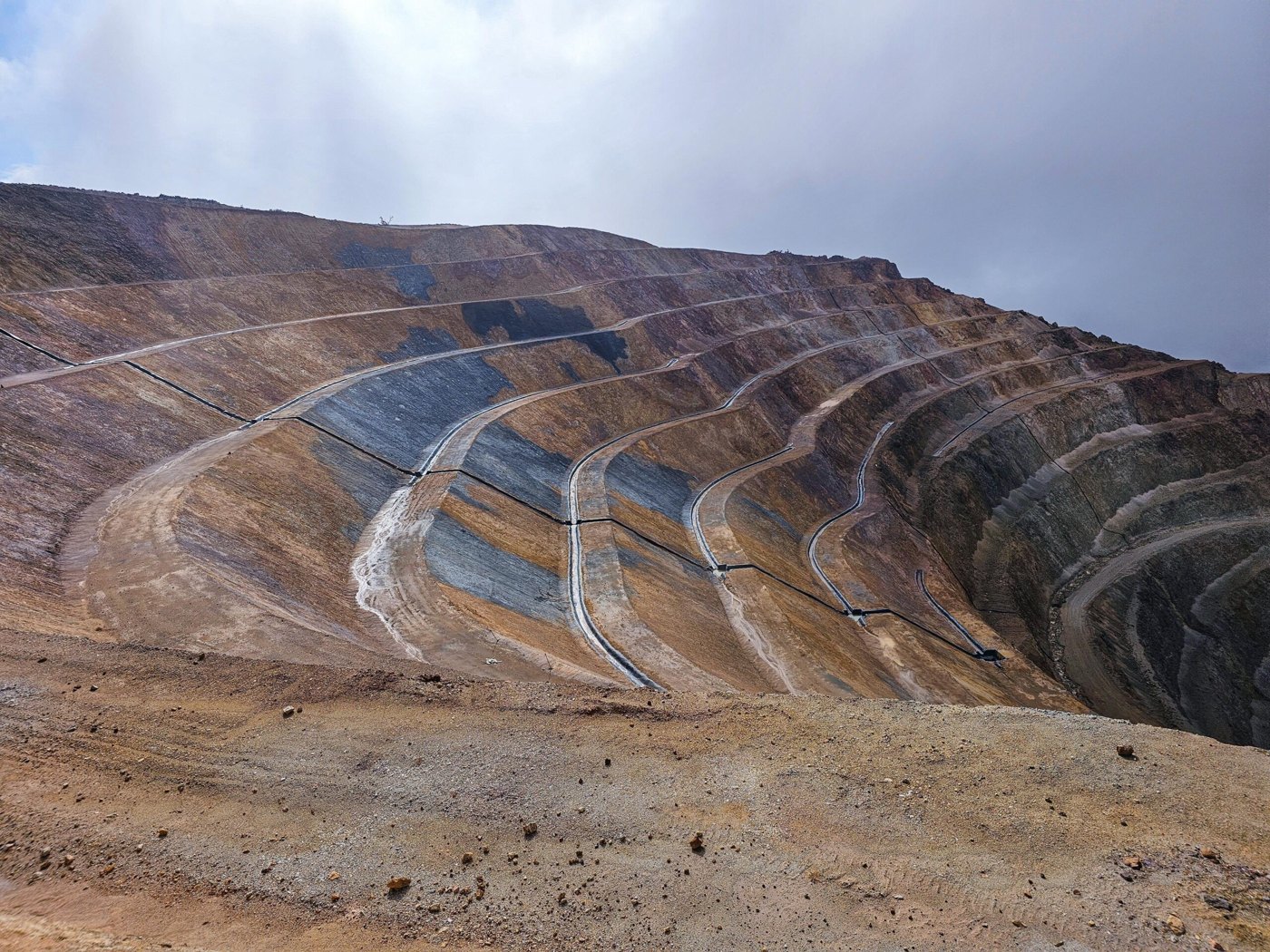
The most recent news, dated 2025-12-08, announces that Kirkstone Metals Corp. has filed a permit for its 2026 exploration program at the Key Lake Road (KLR) Uranium Project in Saskatchewan, Canada. The permit includes plans for 6.2 kilometers of line cutting for an Induced Polarization (IP) survey at the DD Zone and 30 drill pads for a subsequent drill program targeting both the DD and Highway Zones. The company stated it is actively reviewing historic data to de-risk these targets. The release also reiterates historical drilling highlights from the DD Zone, including anomalous uranium enrichment up to 642 ppm uranium and 0.34% nickel, and from the Highway Zone, with 1.9% U3O8 over 0.29 meters. Clive Massey, President and CEO, expressed confidence in the project's potential and commitment to responsible exploration.
This news is a routine, positive step in the exploration lifecycle of the Key Lake Road Uranium Project. It confirms the company is progressing with its stated plans for exploration, specifically the IP survey and subsequent drilling, which were initially outlined in news releases from November 19 and November 25, 2025. The filing of permits is a necessary administrative action before field operations can commence.
From a critical analyst perspective, while positive, this news does not present new material information that significantly alters the company's fundamental value beyond what was already anticipated. The company had previously announced its intention to conduct an IP survey (up to 12 line kilometers) and drill in early 2026. This release merely specifies the permit filing for a 6.2 km IP survey (less than the "up to 12 km" previously mentioned, but focused) and the number of drill pads (30). The re-statement of historical drilling results, while aiming to highlight the project's potential, comes with the persistent disclaimer from prior releases that "the Company cautions investors that it has not yet verified the historical exploration information." This remains a significant unmitigated risk, as the market's current valuation appears to heavily discount these unverified historical results and the speculative potential of the Athabasca Basin.
The context of recent trading halts and the company's statement regarding unauthorized third-party promotional activities (2025-11-28) suggests a highly speculative environment. The engagement of a Hong Kong-based law firm for a potential HKEX secondary listing (2025-12-01) is an administrative step that, while part of a long-term strategy, is far from guaranteed and will incur significant costs. The stock's parabolic rise over the past two months appears largely driven by speculative interest surrounding the acquisition of the KLR project and the broader uranium market, rather than confirmed exploration success or validated data. The current news merely confirms an expected procedural step rather than a breakthrough.
Kirkstone Metals Corp. (formerly Dunbar Metals Corp.) is a Canadian mineral exploration company focused on the acquisition and exploration of mineral properties. Initially, its primary property was the Gorilla Lake property in Northern Saskatchewan, Canada, which it holds a 100% interest in (subject to a royalty obligation). Exploration activities on Gorilla Lake were described as Phase 1, including geological mapping, prospecting, and geochemical sampling.
However, the company's strategic focus has shifted significantly with the Letter of Intent (LOI) and subsequent definitive agreement to option the Key Lake Road (KLR) Uranium Project, also located in Saskatchewan's prolific Athabasca Basin. This project is now the flagship. The KLR project spans 5,521 hectares and is situated approximately 90 kilometers south of Cameco's historical Key Lake Mine, which produced over 209 million pounds of uranium between 1983 and 2002. The project lies within the Wollaston Mudjatik Transition Zone (WMTZ), a geological region known for hosting high-grade uranium deposits like Key Lake, Cigar Lake, and McArthur River.
Historical exploration on the KLR project has identified multiple priority drill targets, with highlights including: * DD Zone: Six shallow holes drilled in 2023 intersected anomalous uranium enrichment increasing with depth, with best results of 642 ppm uranium and 0.34% nickel. * Highway Zone: Ground geophysics and man-portable drilling in 2015 identified a near-surface interval of 1.9% U3O8 over 0.29 meters. The company is employing an exploration model inspired by NexGen's Arrow deposit, aiming to uncover higher-grade feeder anomalies at depth. Notably, Kirkstone has consistently cautioned investors that it has not yet independently verified these historical exploration results.