Arbor Metals drills 1.14 m of 0.58% Li at Jarnet
Anomalous Grades and Pre-News Price Spikes Raise Red Flags for Risk-Averse Investors
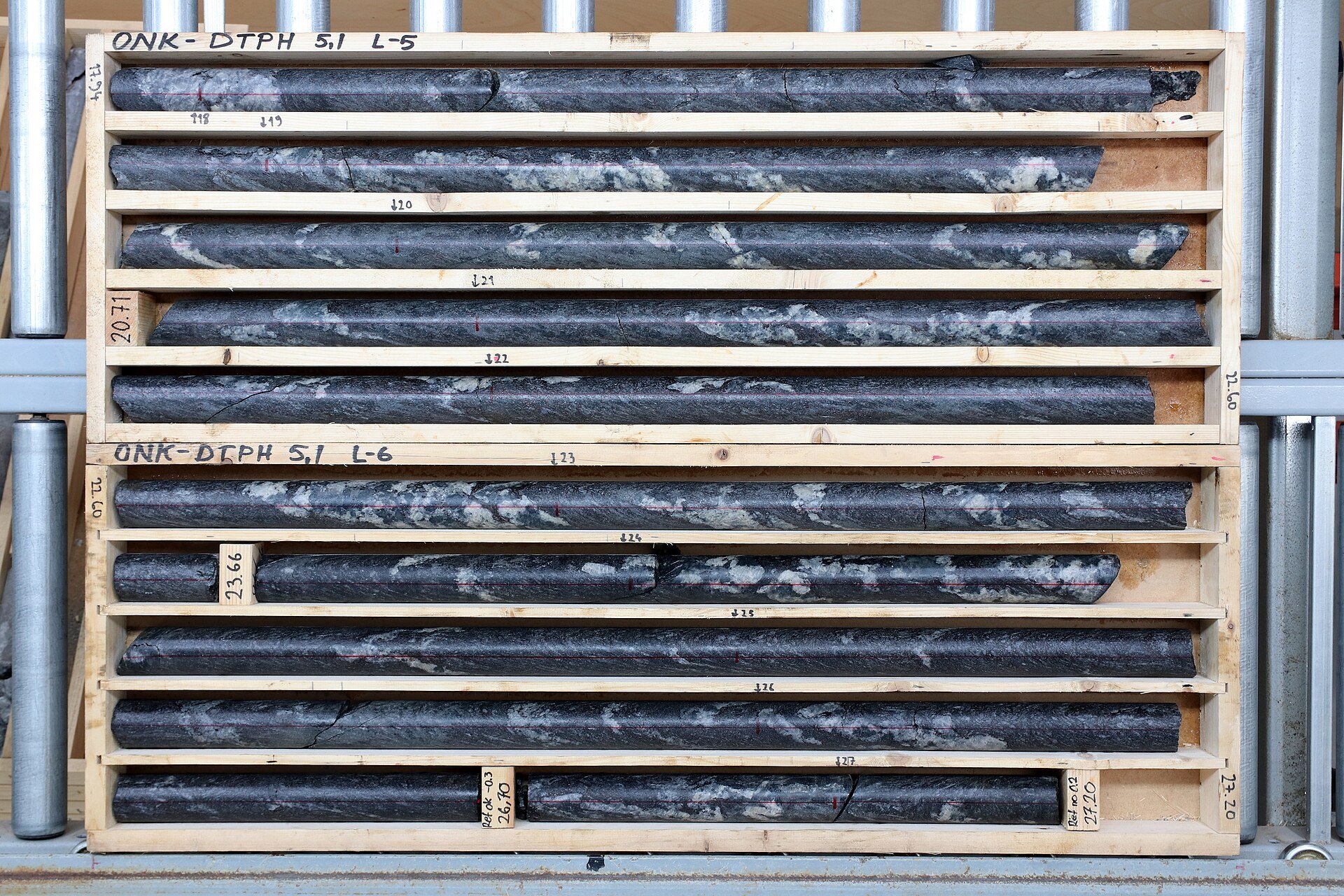
On January 15, 2026, Arbor Metals Corp. released assay results from its 2,451-meter Phase 3 diamond drilling program at the Jarnet Lithium Project in Quebec. The company reported intersecting "anomalous lithium mineralization" across two target zones. Key intercepts included 0.58% Li (5,861 ppm) over 1.14 meters and 0.57% Li (5,781 ppm) over 1.56 meters. The CEO, Mark Ferguson, expressed satisfaction, stating the results demonstrate "potential for high-grade lithium." The company also noted the presence of Rare Earth Elements (REE) and base metals, though these were not spatially coupled with the lithium.
The news is objectively Routine - Neutral to slightly negative for a serious fundamental investor, despite the company’s positive framing. - Sub-Economic Grades: In the lithium spodumene sector, "high-grade" is typically considered to be 1.0% Li2O or higher. Arbor’s peak result of 0.58% Li is significantly below the threshold of what would typically constitute a major discovery or an economic resource. - Narrow Intervals: The intercepts are very thin (0.5m to 1.56m). Without significant width or higher grades, these results do not suggest a scalable economic deposit at this stage. - Suspicious Market Activity: The stock price jumped 90% on January 14, 2026 (from $0.20 to $0.38) on high volume the day before the results were released. This suggests the news was either leaked or the market was "buying the rumor." - Continuation, Not Discovery: The results confirm the presence of lithium but do not represent a "game-changer" discovery that derisks the project.
Arbor Metals is a junior explorer focused on the Jarnet Lithium Project in the James Bay region of Quebec, contiguous to Patriot Battery Metals' high-profile Corvette property. They also hold the Kemlee Lake project in Ontario and the recently acquired Ernest REE project in Quebec. The Jarnet project is the flagship, but despite three phases of drilling, it has yet to produce a high-grade, wide-interval discovery.