Critical Minerals Boom: Nickel-Cobalt Market Races Toward $35B+ Valuation
Smelter-free awaruite project gains U.S. Defense entry, bypassing traditional midstream bottlenecks.
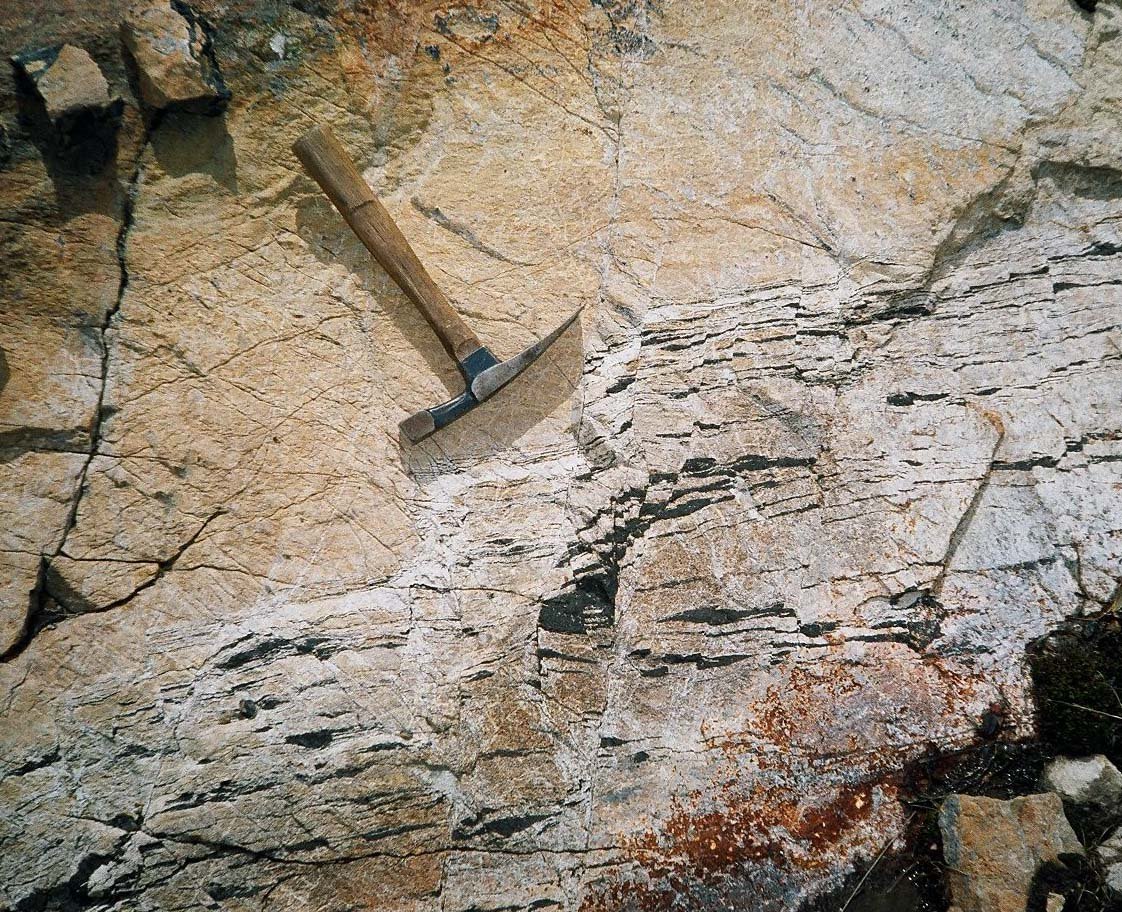
The most recent news (March 31, 2026) announces that First Atlantic Nickel (FAN) has been accepted into the U.S. Defense Industrial Base Consortium (DIBC). This grants the company access to Department of Defense (DoD) financing mechanisms, including Title III of the Defense Production Act (DPA). The focus is on the Pipestone XL project’s "awaruite" (a natural nickel-iron-cobalt alloy). Unlike traditional sulfide ores, this material can be processed into a ~60% Ni concentrate at the mine site using magnetic separation, bypassing the need for smelters—a critical bottleneck since the U.S. has zero operating nickel smelters.
The impact is Material - Positive. While the company remains an exploration-stage entity without proven reserves, this news provides a credible non-dilutive funding pathway through U.S. government grants, loans, and off-take agreements. - Strategic Validation: Acceptance into the DIBC validates the "smelter-free" thesis as a solution to U.S. supply chain vulnerabilities. - Financial De-risking: Access to DPA/IBF financing reduces the company's total reliance on equity markets for the capital-intensive development phase. - Market Positioning: Nickel is the only battery metal listed in the DIBC’s first Request for Project Proposals (RPP), placing FAN in a niche competitive position. - Operational Progress: This follows a string of positive drill results (RPM Zone expansion) and the discovery of the "Alloy Max" zone, suggesting the project has the scale required for defense-level interest.
First Atlantic Nickel is focused on the Pipestone XL Project in Newfoundland, Canada. The project targets awaruite, a naturally occurring magnetic nickel-iron alloy. - Flagship: Pipestone XL (30km trend). - Secondary Project: Ophiolite-X (12,500 ha), targeting nickel, hydrogen, and carbon sequestration. - Key Advantage: Magnetic separation processing requires significantly less energy and capital than traditional smelting/HPAL methods.