Aclara To Build First Heavy Rare Earths Separation Facility in U.S. With a Secured Sustainable Ionic Clay Feed by Mid-2028
None
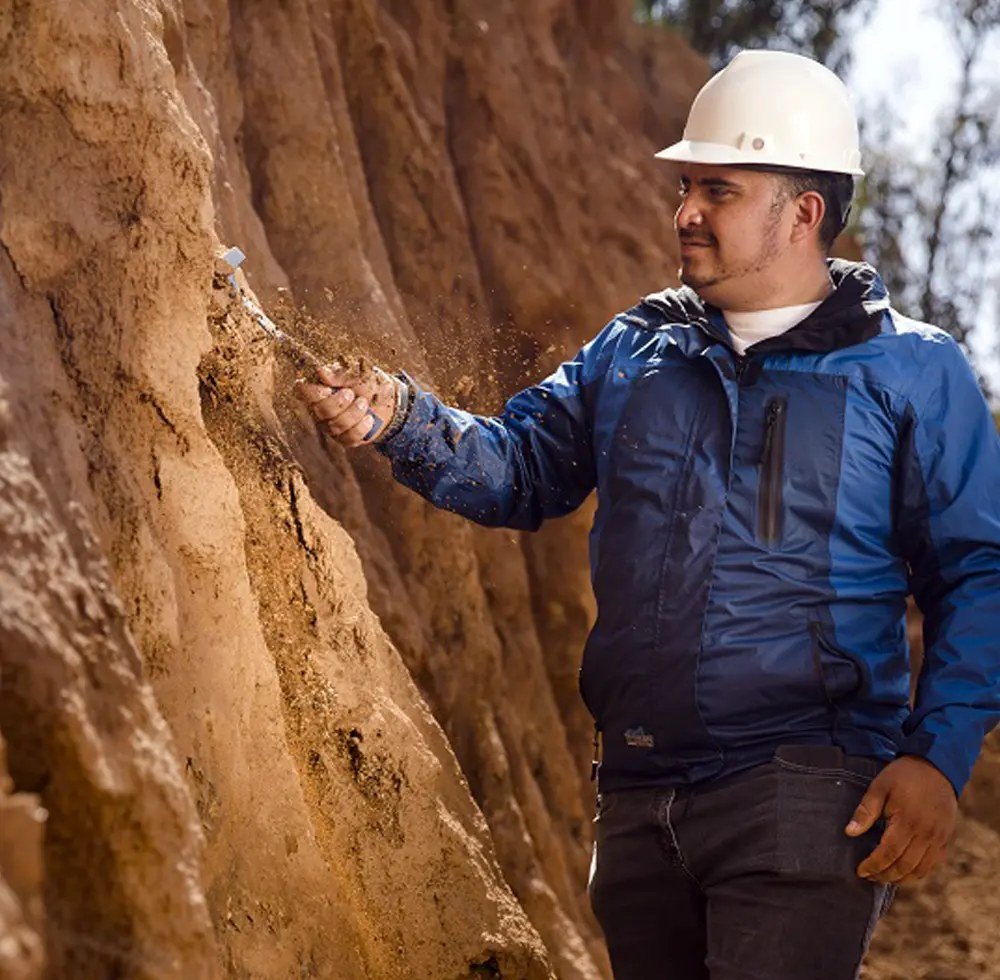
On October 24, 2025, Aclara Resources announced its decision to construct the first heavy rare earths (HREE) separation facility in the United States. The US$277 million facility will be located in Louisiana and is expected to be completed in 2027. It is designed to process mixed rare earth carbonates from the company's ionic clay projects in Brazil (Carina) and Chile (Penco). The State of Louisiana is supporting the project with US$46.4 million in tax incentives and grants. This facility represents a cornerstone of Aclara's "mine-to-magnet" vertical integration strategy.
This announcement is a material and positive catalyst for Aclara, representing the crystallization of its long-stated downstream strategy. While the intention to build a US separation facility was well-telegraphed through prior news (e.g., MOU with Virginia Tech, US DFC funding, hiring of COO Hugh Broadhurst), this release provides a concrete location, capital cost, timeline, and significant government financial support.
- Strategic Execution: The news demonstrates management's ability to execute on its ambitious "mine-to-magnet" vision. It transforms Aclara from a pure-play explorer/developer into a potential vertically integrated producer of critical minerals, a business model that commands a premium valuation.
- De-risking and Validation: Securing a site and US$46.4 million in state-level incentives significantly de-risks the project. It provides tangible validation from a US state government, which could be a precursor to further federal support, especially given the geopolitical importance of establishing a non-Chinese HREE supply chain. This follows the September 2025 investment from the U.S. International Development Finance Corp. (DFC), adding another layer of US government endorsement.
- Capital Requirement: The US$277 million CAPEX is substantial, representing over half of the company's current market capitalization. The company had US$39.8 million in cash as of June 30, 2025. While the Louisiana incentives cover ~17% of the cost, Aclara will need to secure significant additional financing through debt, equity, and potentially strategic partnerships or further government loans. The primary risk now shifts from strategic uncertainty to financing and execution.
- Project Synergy: The announcement is well-timed, following the material de-risking of Aclara's upstream assets. The Carina project in Brazil recently saw a significant resource upgrade (Oct 1, 2025), and the Penco project in Chile is now in the final stages of permitting (Oct 14, 2025). This provides greater certainty on the feedstock required for the Louisiana facility.
The stock has experienced a dramatic run-up from under C$1.00 in June to a high of C$4.48 in mid-October, pricing in much of this positive strategic progress. The subsequent pullback to C$2.77 suggests a classic "buy the rumor, sell the news" reaction, combined with profit-taking after a rapid appreciation. While the news is fundamentally positive, the immediate stock reaction may be muted until a clear financing path for the US$277M plant is announced.
Aclara Resources is a development-stage company focused on producing heavy rare earth elements (HREEs) from ionic clay deposits. Its strategy is to become a vertically integrated, secure, and sustainable supplier of rare earths for the permanent magnet industry, independent of China.
The company's flagship upstream projects are: 1. Carina Project (Brazil): A large ionic clay deposit in the state of Goiás. A recent MRE (Oct 2025) upgraded 79% of the resource to the Indicated category, paving the way for a PFS and FS. This is positioned to be the primary feedstock source. 2. Penco Module (Chile): An ionic clay deposit in the Biobío Region. This project is in the final stages of environmental permitting.
The company is now adding a major downstream asset: a HREE separation facility in Louisiana, USA, to process concentrate from its mines into separated rare earth oxides.