Taranis Details What Lies Under Thor - A Lamprophyre Intrusive and Related Alteration That Has Direct Affiliation with Calc-Alkaline Epithermal Deposits
Taranis Redefines Thor Deposit Plumbing as Geological Model Shifts to Intrusive-Related System
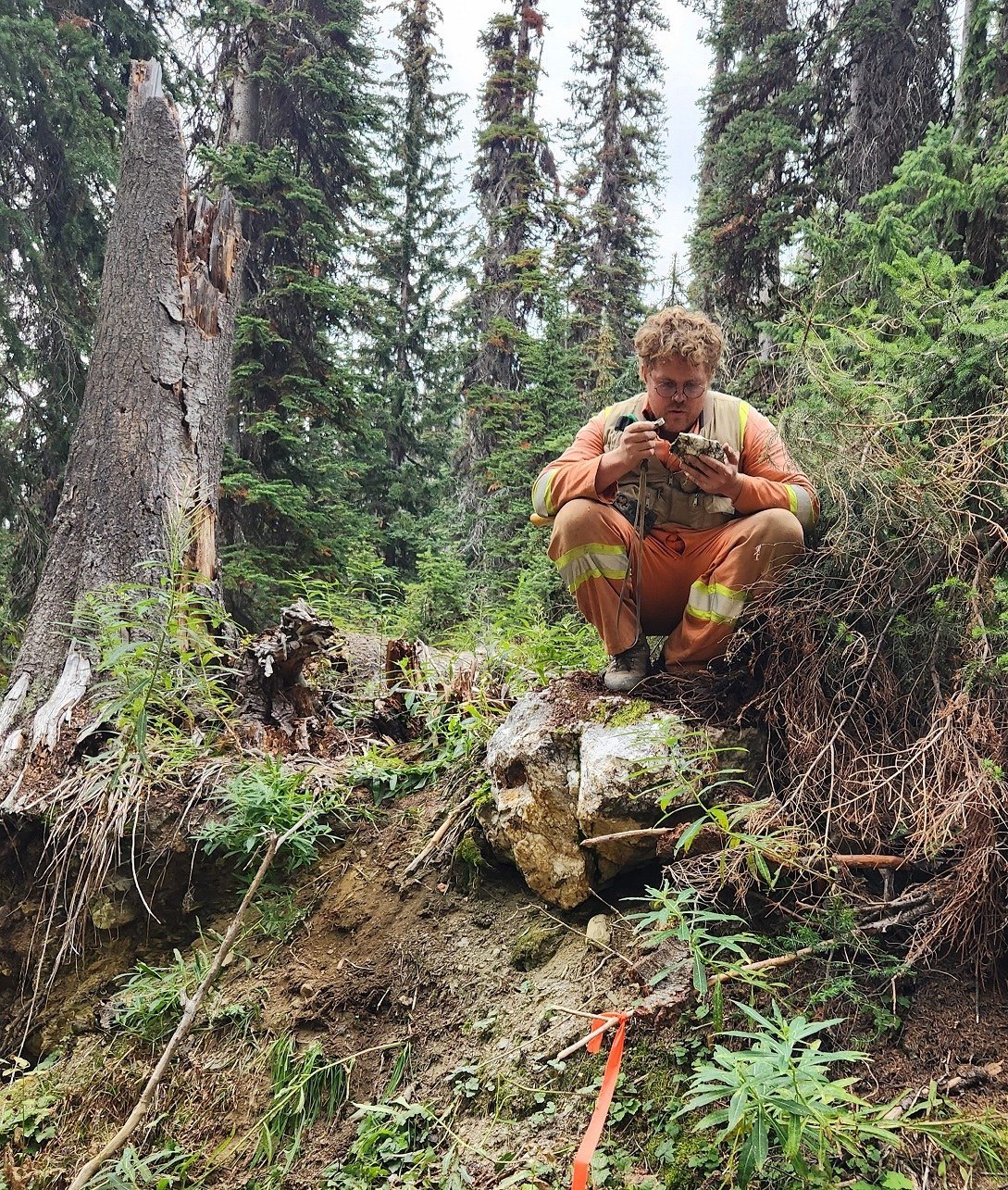
The December 29, 2025, news release provides a geological interpretation update for the Thor property. Taranis has identified lamprophyre intrusive rocks and related alteration that they believe confirms a direct link to a calc-alkaline epithermal system. This discovery, particularly the "Borr Zone," supports the company's "linked epithermal-porphyry" model, suggesting that the existing high-grade silver-gold-base metal veins are fed by a larger, deeper intrusive source. The news emphasizes the potential for reclassifying the deposit type, which could significantly expand the exploration footprint at depth and southeast of the known NI 43-101 resource.
- Immediate Impact: Neutral to Slightly Positive. This is a technical geological update rather than a discovery of new mineralization with assay results. While it validates the management's exploration thesis, it does not add immediate "ounces in the ground" or cash flow.
- Geological Significance: High. If Thor is indeed an intrusive-related system, the potential scale of the deposit changes from a localized vein system to a much larger target. This aids in precision for future deep drilling.
- Market Sentiment: The market generally waits for high-grade drill intercepts. Following the peak of $0.35 in July 2025 (driven by the initiation of deep drilling), the stock has drifted to $0.21, suggesting the market is in a "wait and see" mode for the assays from the 2,505m program completed in October.
- Credibility: The use of specialized studies (Gresen alteration analysis and TEM mineralogy) adds technical weight to management’s claims, but the lack of economic-grade intercepts in the deep "I-1" target to date remains a hurdle.
Taranis Resources is focused on the Thor Project in southeastern British Columbia. The project covers a 2km-long trend of five historical mines (Broadview, True Fissure, Great Northern, St. Elmo, and Blue Bell). The company has successfully linked these into a single NI 43-101 mineral resource. The current strategic focus is testing the "Intrusive Source" theory—that a massive, buried porphyry-style body is the source of the high-grade surface mineralization.