Tajiri's Infill Auger Results Confirm Compelling Gold Mineralization at Yono Property, Guyana
None
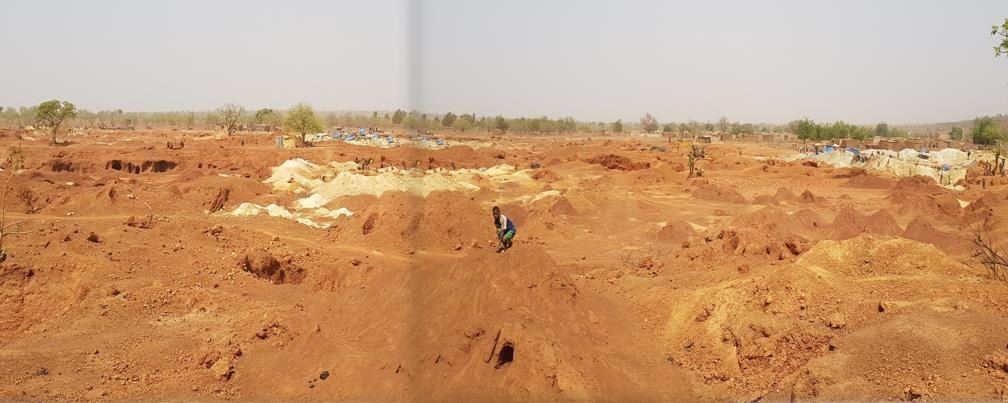
The most recent news, dated November 6, 2025, from Tajiri Resources Corp. (TAJ) provides an update on the infill auger sampling results at its Yono Gold Project in Guyana. The company reports that the final results confirm widespread gold anomalism and continuity within the strongest anomalous zones. Tajiri also states that a 2,600-meter trenching program is currently underway. The geological interpretation reinforces Yono's strategic position within a major gold-bearing corridor, highlighting approximately 5 kilometers of prospective strike length and a potential fold-controlled mineralization model. The release notes that these are exploration results showing gold anomalism and geological interpretations, without reporting specific drilling intervals or resource estimates.
This news release is a positive, but routine, update building on previous exploration successes at the Yono Gold Project. It confirms the continuity and widespread nature of the gold anomalism initially identified, which is crucial for defining drill targets and understanding the geological model. The commencement of a 2,600-meter trenching program demonstrates active follow-up on the positive auger results, signifying continued advancement of the project.
In the context of historical news, the Yono acquisition (completed September 2, 2025) was a transformational event for Tajiri, as it secured a majority interest in a property contiguous to significant gold resources. The initial auger results (October 7, 2025), which reported peak values up to 5.1 g/t Au and identified several kilometer-scale anomalous zones, were a materially positive "discovery" type announcement that drove the stock price higher. This latest news, while positive, is more incremental. It validates the earlier findings but does not introduce new high-grade intercepts or significantly expanded strike lengths beyond what was already indicated in previous reports.
The company's financial position, as per the July 31, 2025, interim statements (released September 29, 2025), showed dangerously low cash ($112,029) and substantial liabilities. However, the subsequent closing of an oversubscribed $1.87 million private placement on September 17, 2025, provided a much-needed capital injection, which would support the ongoing exploration activities like the trenching program mentioned in this news. It is important to note that the cash from this financing is not reflected in the latest July 31, 2025 financial statements provided.
Overall, the news is a positive reinforcement of the Yono project's potential and indicates continued progress. It is in line with expectations for a company actively exploring a promising new acquisition. It is not a "game-changer" as it largely reiterates and confirms previously announced positive indications rather than revealing new, unexpected high-impact results.
Tajiri Resources Corp. is a Canadian exploration company primarily focused on gold projects. Its flagship project is the Yono Gold Project, located in Guyana, South America. Tajiri acquired a 65% majority interest in the Yono property on September 2, 2025, from Nebula Resources Inc., with Nebula retaining a 35% free-carried interest until a positive bankable feasibility study.
The Yono project is strategically located, described as being contiguous to multi-million ounce gold deposits, specifically 170 meters from G2 Goldfields' Oko (5.2 million indicated, 2.7 million inferred ounces) and G Mining Ventures' Oko West (similar resource figures often cited collectively). The project is situated within a highly prospective gold-bearing corridor, characterized by similar geological structures and host rocks to the adjacent deposits. Initial exploration work at Yono, including airborne magnetics, auger sampling, and trenching, has identified widespread gold anomalism and multiple potential gold-bearing structures. These structures are believed to be analogous to those hosting the significant deposits nearby, with potential for high-grade extensions into the Yono property. The current focus is on defining and prioritizing drill targets through continued surface exploration.