Rain City Signs MoU with Y-TEC to Scale Zero-Water Lithium Extraction in Argentina
None
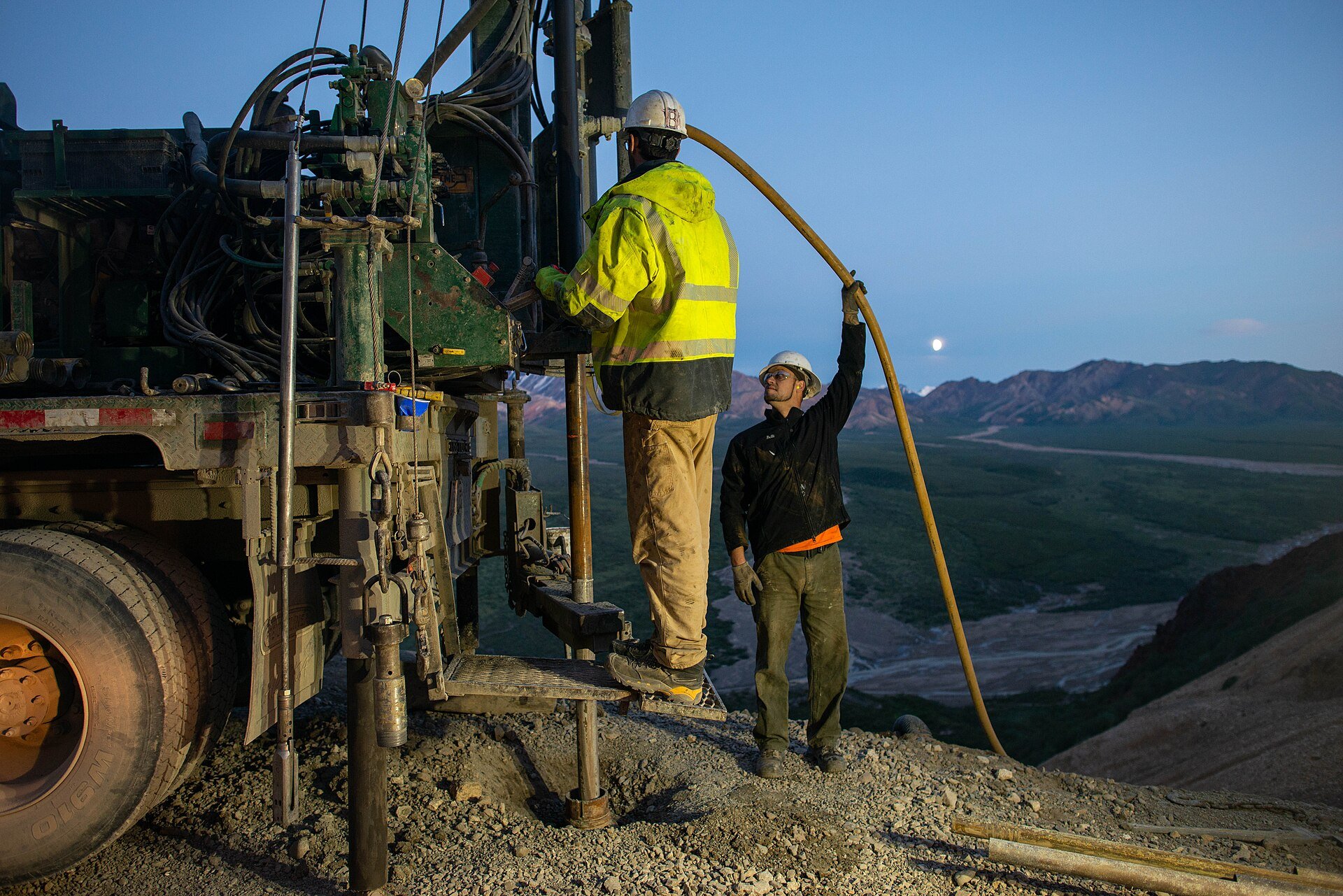
On October 16, 2025, Rain City Resources announced the signing of a non-binding Memorandum of Understanding (MoU) with YPF Tecnologìa S.A. (Y-TEC), the research and development arm of Argentina's national energy company, YPF. The MoU establishes a framework for collaboration on the validation and commercialization of Rain City's cavitation-based Direct Lithium Extraction (DLE) technology in South America. The key goals are to build a pilot plant to validate the technology, which claims zero-water consumption and produces battery-grade Lithium Iron Phosphate (LFP), and then to commercialize it in Argentina. The partnership intends to leverage Rain City's existing San Martín Joint Venture with Lithium Argentina Investments SA (LAISA) for access to lithium brine concessions.
This news is materially positive, but must be viewed in the critical context of the company's recent activities.
On October 2, 2025, just two weeks prior, Rain City announced the termination of its option agreement with Avonlea Environmental Technologies Corp. This was triggered by Rain City's failure to make a US$1.2 million payment. This failure is a significant red flag, indicating severe financial distress and an inability to meet capital commitments. The company attempted to reframe this failure as a positive strategic shift towards a less capital-intensive licensing arrangement, but the underlying fact is a default on a payment obligation.
The subsequent MoU with Y-TEC is a remarkable pivot. Partnering with the technology arm of a national energy company provides immense credibility and a clear strategic path forward in a key lithium jurisdiction. It validates their DLE technology concept in the eyes of the market and replaces the failed Avonlea strategy with a potentially more prestigious and synergistic one.
However, as a risk-averse analyst, several points temper enthusiasm: 1. Non-Binding MoU: An MoU is a statement of intent, not a definitive agreement. There are no guarantees it will lead to a funded project. Y-TEC can walk away with no penalty. 2. Unresolved Capital Crisis: The MoU does not come with funding. The company still needs to raise significant capital to fund its G&A expenses and, more importantly, its share of the future pilot plant costs. The inability to raise US$1.2 million two weeks ago suggests that any near-term financing will be challenging and likely highly dilutive to existing shareholders. 3. Execution Risk: The path from an MoU to a functioning, commercially viable DLE plant is long, expensive, and fraught with technical and financial risks.
The positive impact is that this news gives the company a powerful story to take to the capital markets. It changes the narrative from a company that just defaulted on a payment to one that is partnered with a major state-affiliated entity. This could be the lifeline it needs to secure financing for survival and growth.
Rain City Resources Inc. is a junior technology company focused on lithium extraction. Its strategy has recently pivoted. Previously, its flagship effort was an option to acquire Avonlea Environmental Technologies and its cavitation technology. After failing to make a required payment in October 2025, this agreement was terminated.
The company's new flagship project is the development and commercialization of a proprietary "zero-water" Direct Lithium Extraction (DLE) technology in Argentina. This is being pursued via a new partnership with Y-TEC (the technology arm of Argentina's national energy company, YPF). The plan is to leverage the company's existing San Martín Joint Venture, which provides access to lithium brine properties, to build a pilot plant and prove the technology at scale.